
7 min read

Newborn Baby Items Checklist for Ghanaian Moms
The Essential Baby Items Every Newborn Needs in the First 3 Months
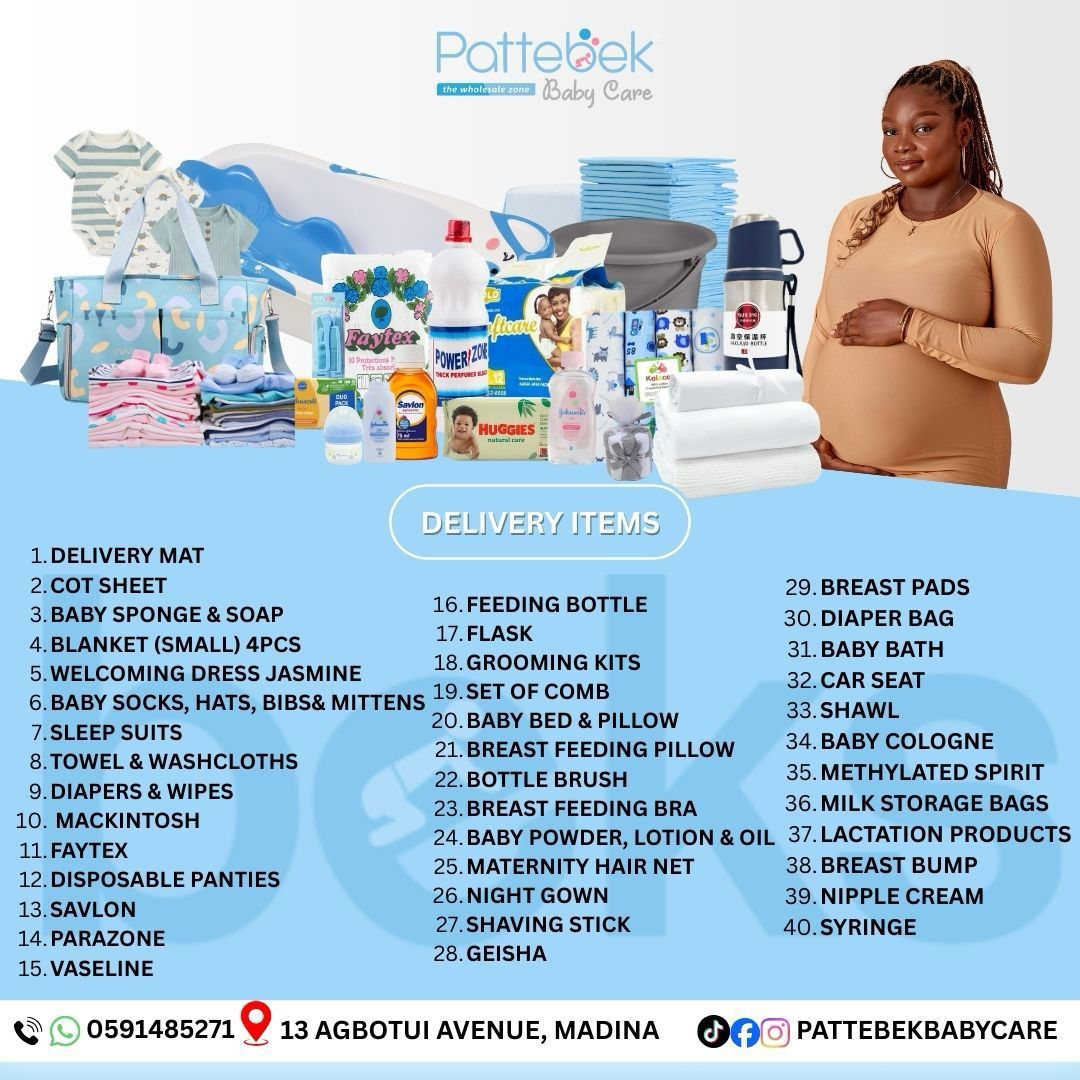
For the first three months, a newborn's world is small: feeding, sleeping, being kept warm, clean and dry. Every real essential falls into one of five groups.
- Diapering: diapers, wipes, a barrier cream, and a soft changing mat or towel.
- Feeding: if breastfeeding, a few muslin cloths and nursing support; if formula feeding, bottles, teats, formula and a way to sterilise.
- Clothing: bodysuits, sleepsuits, a hat, socks or mittens, and swaddles or receiving blankets.
- Sleep: a safe flat surface such as a bassinet or cot with a firm mattress and fitted sheets.
- Care and bathing: a baby bath or basin, mild baby wash, cotton wool, and a soft towel.
Everything else, from fancy gadgets to a full nursery, is optional. If you have the five groups above covered, you and your baby are ready.

Diapers, Wipes, Feeding Gear and Clothing Quantities to Buy Upfront
The most common mistake is buying too much of the wrong size. Here is a sensible starter quantity for each essential.
Diapers and wipes
Newborns get through a lot of diapers, often around 8 to 10 a day in the early weeks. That sounds like a huge number to stockpile, but resist the urge.
- Buy one pack of newborn size and one pack of size 1. Many babies fit the smallest size for only a week or two.
- Buy two packs of wipes to start. You will always use them, so this is safe to stock.
- Keep one tube of barrier or nappy rash cream on hand from day one.
Because a newborn feeds so often, they also wet and soil frequently. It helps to buy diapers a little at a time and top up through delivery once you know how fast your baby grows. Premium diaper brands like Huggies and Molfix are widely available in Ghana, and buying in bulk once you have settled on a size and fit usually gives the best value per piece.
Feeding gear
How much feeding equipment you need depends on how you plan to feed.
- Breastfeeding: you need very little. A few muslin cloths, a comfortable nursing pillow, and nursing pads are enough. Newborns feed often, so expect long stretches on the breast in the early days.
- Formula or mixed feeding: buy four to six bottles, spare teats, a bottle brush, a sterilising method, and a tin of infant formula. Cerelac and other trusted formula and cereal brands are easy to find locally once your baby is old enough for them.
Feeding is frequent in the newborn stage. UK health service guidance notes that a newborn should feed at least 8 to 12 times, or more, every 24 hours during the first few weeks, so whichever method you choose, plan for a lot of short, regular feeds rather than a fixed schedule (NHS).
Clothing
Newborns grow fast and get changed often, so buy for a week of laundry, not a wardrobe.
- 6 to 8 bodysuits (short sleeve suits work well in Accra's warmth)
- 4 to 6 sleepsuits or babygrows
- 2 to 3 swaddles or receiving blankets
- 2 to 3 hats and a few pairs of socks or scratch mittens
- 1 light cardigan for cooler evenings or air-conditioned rooms
Buy mostly in the 0 to 3 month range and only one or two items in newborn size. A common regret is a drawer full of tiny outfits the baby never grew into.

What You Can Skip to Save Money as a First-Time Parent
Baby shopping lists are long because shops want you to buy everything. As a first-time parent on a budget, here is what you can safely leave off the initial list.
- Newborn shoes. A baby who cannot walk does not need shoes. Socks keep little feet warm for a fraction of the price.
- A changing table. A folded towel on any firm, safe surface does the same job. Many parents change on the bed or floor.
- A large wardrobe of newborn-size clothes. Babies outgrow this size in weeks. A handful of pieces is plenty.
- Bottle warmers and wipe warmers. A jug of warm water warms a bottle just as well.
- Bulky playmats and toys. A newborn cannot use these yet. There is time to add them later.
- A full-size cot straightaway. A bassinet or safe co-sleeping arrangement often works for the first months, and you can buy the cot before baby needs the extra space.
Spending less on these leaves more room in your budget for the things you use every day, like diapers, wipes and feeding gear.
Rough Cost Breakdown in Ghana Cedis for a Starter Bundle
Prices shift with brand and where you shop, but this gives a realistic picture of a sensible newborn starter bundle in Ghana. Treat these as ballpark ranges to plan around, not fixed prices.
| Category | What it covers | Rough cost (GHS) |
|---|---|---|
| Diapers | 1 newborn pack plus 1 size 1 pack | 200 to 350 |
| Wipes | 2 packs | 80 to 140 |
| Feeding gear | Bottles, teats, muslins or nursing basics | 250 to 600 |
| Clothing | Bodysuits, sleepsuits, hats, socks | 350 to 900 |
| Bathing and skincare | Baby bath, wash, cotton wool, towel | 200 to 800 |
| Sleep | Bassinet or basic cot with mattress and sheets | 400 to 1200 |
Added together, a practical starter bundle lands roughly in the GHS 1,500 to GHS 2,500 range. You can go lower by borrowing bigger items like a bassinet, buying clothing in mixed sizes, and stocking diapers gradually rather than all at once.
How to Build Your Kit Gradually With Home Delivery
You do not need everything ready on day one. A smarter, cheaper approach is to buy the true essentials before baby arrives, then restock the rest as you learn what your baby actually needs.
- Before birth: get your five essential groups sorted (diapering, feeding, clothing, sleep, bathing) in small quantities.
- First week home: you will quickly learn your baby's diaper size and feeding pattern. Reorder the right size and enough wipes.
- Weeks two to four: top up clothing in 0 to 3 month sizes, add a barrier cream if rashes appear, and restock formula if you are bottle feeding.
- Ongoing: set a simple reminder to reorder diapers and wipes before you run out.
This is where ordering online genuinely helps. Instead of packing a newborn into the car for every top-up, you can reorder diapers, wipes, formula and clothing from home. A one-stop family store like Beksghana carries baby, feeding and mothercare essentials with nationwide delivery and secure Paystack payment, which makes restocking a two-minute job rather than a whole afternoon out. Buying essentials in bulk once your baby has settled into a size is usually the best way to save over the months ahead.
Keeping your baby comfortable and safe matters more than owning every gadget on the shelf. For trusted medical guidance on feeding, sleep and newborn care, the American Academy of Pediatrics' parent site HealthyChildren.org is a reliable place to check as questions come up.
Start with the short list, buy small, and let home delivery handle the rest. Print or screenshot the checklist above, tick off what you already have, and order only the gaps. When you are ready to top up diapers, wipes or feeding gear, browse the baby essentials at Beksghana or send a quick message to ask what fits your budget.
Frequently asked questions
1. How many baby items should I buy before baby arrives?
Buy about one to two weeks of essentials: one pack of newborn diapers, a pack of wipes, six to eight bodysuits, four to six sleepsuits, and basic feeding gear. Restock the rest through delivery once baby is here and you know their size.

